Flip Sheet Metal, Cut Parts, and Stacked Blanks

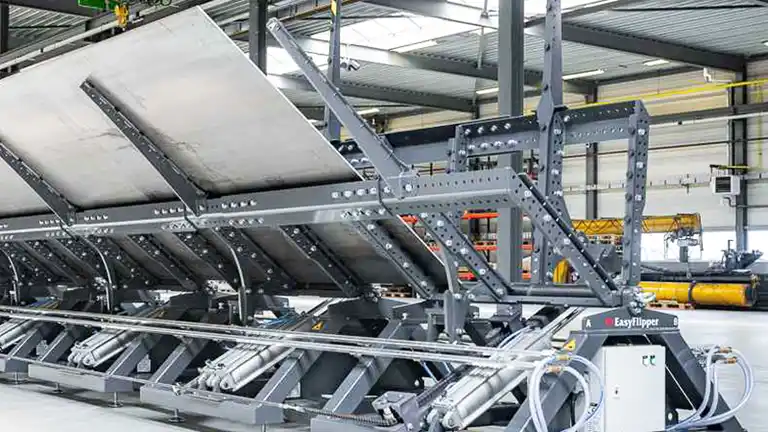
In sheet metal processing, parts need to be flipped at three different stages—and each presents its own handling challenges. The EasyFlipper handles all three without a crane or suspended load and can be operated by a single person.

Custom Request All Contact Options

1. Flipping Full-Size Sheets and Heavy Plate

Large-format sheets and heavy plate regularly need to be flipped—for example, to process the underside, ensure a clean contact surface on the press brake, or position the material correctly for the next manufacturing step.

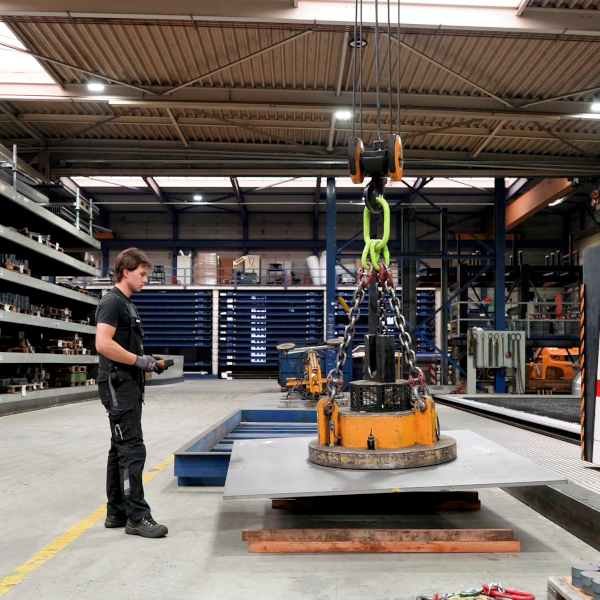
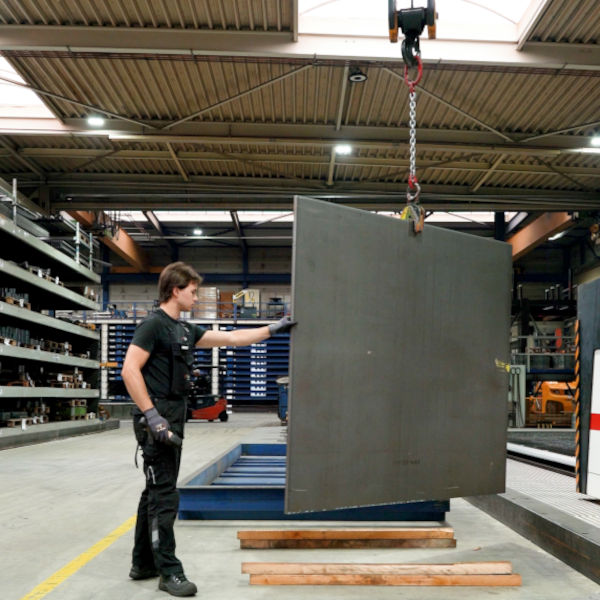
Steel plate lifted with a lifting magnet attached to an overhead crane

Conventional Method

  • Handling with a lifting magnet attached to an overhead crane: The sheet is lifted and hangs freely from the crane. Positioning the magnet, lifting the sheet and setting it down again require additional handling steps. Turning requires a suitable procedure and appropriate lifting attachments.
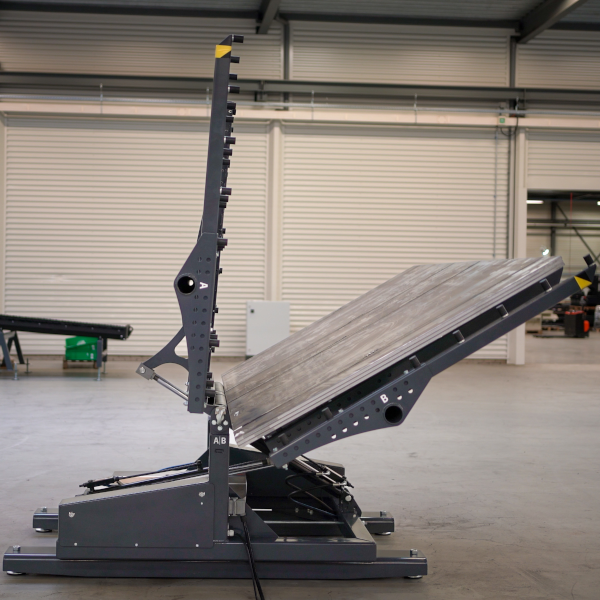
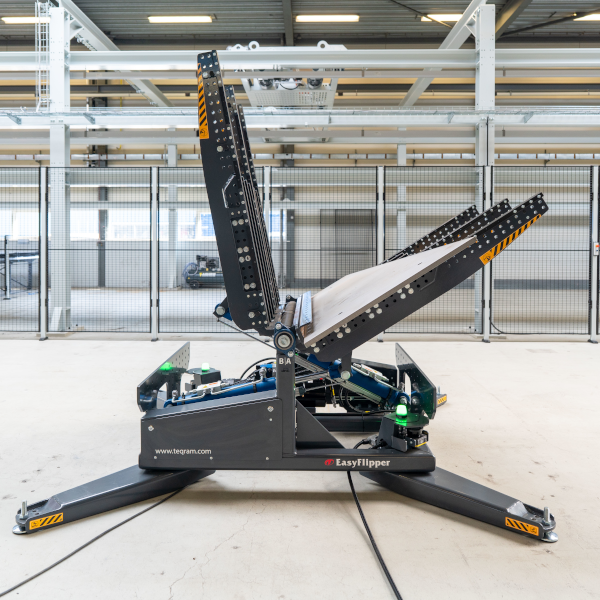
EasyFlipper supporting a steel plate during turning

With the EasyFlipper

  • The sheet is placed on the EasyFlipper’s table and turned 180° in a controlled motion. Throughout the turning process, it remains supported and does not hang freely from a crane, even when handling large formats and heavy material.

2. Flipping Laser-Cut, Plasma-Cut, and Punched Parts

Cut parts with irregular contours often need to be flipped before further processing—typically to remove burrs or slag from the underside or to process both sides in a deburring machine. Long, narrow parts are particularly difficult to handle: they can flex during lifting and are difficult to rotate safely and predictably with an overhead crane.

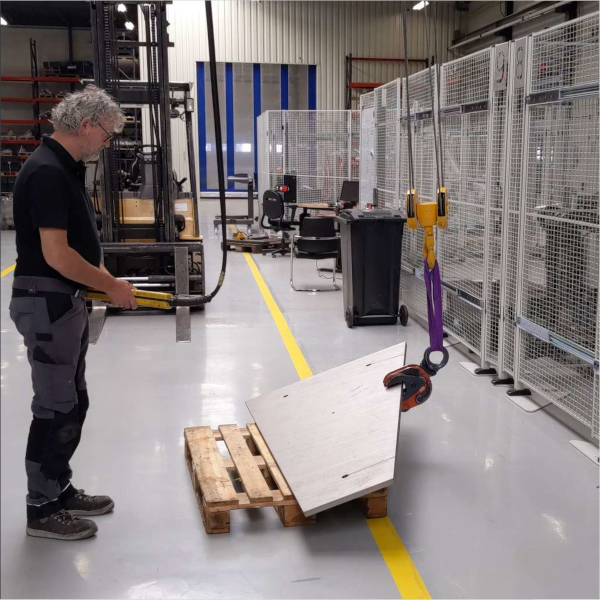
Operator turning a steel plate using a crane and lifting clamp

Conventional Method

  • Sling, clamp or vacuum lifter attached to a crane: Long cut parts can bend during rigging and move unpredictably. Vacuum lifters can lose their grip when slag or cutting spatter creates an uneven surface. At least two operators are often required.
EasyFlipper supporting a steel plate during turning

With the EasyFlipper

  • The cut part remains fully supported on the table and is turned without lifting attachments. Even long, flexible parts that previously required two people can be handled by a single operator, because no individual area of the part is subjected to a concentrated load.

3. Flipping Stacked Parts in a Single Cycle

When large quantities of identical or similar cut parts need to be flipped, stacking them saves significant time. Multiple parts are stacked on the EasyFlipper and turned together in a single cycle. This greatly reduces the number of flipping cycles and keeps the overhead crane available for other tasks.

Steel plate suspended vertically from an overhead crane using a plate lifting clamp, with an operator guiding it

Conventional Method

  • Each part is rigged, turned and set down individually using an overhead crane. At high production volumes, this takes considerable time, slows down the deburring or cutting process and keeps the overhead crane occupied.
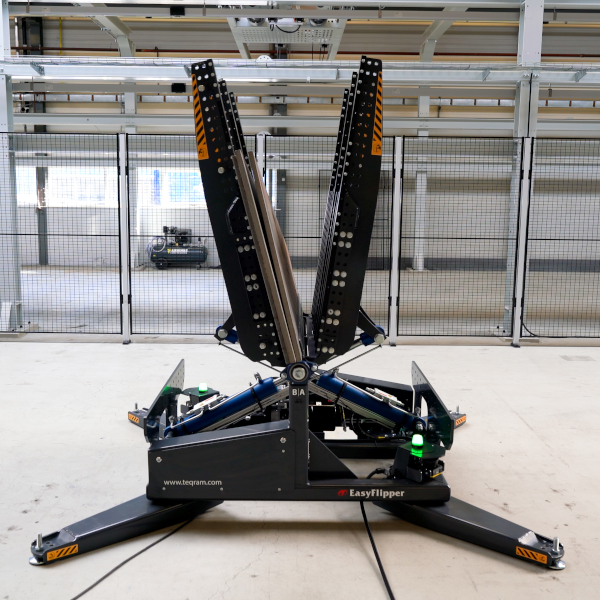
EasyFlipper turning a stack of steel plates

With the EasyFlipper

  • Stack multiple parts, turn them together and continue processing. The EasyFlipper is designed for this workflow and significantly reduces the number of turning cycles required, depending on the quantity and size of the parts.

Real-World Example: Flipping Plasma-Cut Parts at the Deburring Machine

10 Seconds
Flipping time for multiple sheets at once

1 Operator
instead of two people for flipping long cut parts
Up to 1,650 lb (750 kg)
total weight per flipping cycle (pneumatic)

A supplier of high-strength and wear-resistant steel previously flipped heavy plasma-cut parts using slings and magnets attached to an overhead crane. The process was time-consuming, physically demanding, and presented a serious safety risk when handling long, thin parts.

After introducing the EasyFlipper, cut parts are now flipped directly at the plasma cutting table and the deburring machine by a single operator—without using a crane. Multiple long parts can be stacked and flipped together in a single cycle, leaving the overhead crane fully available for material handling.

The improvement was especially noticeable with long, flexible parts that moved unpredictably when suspended from the crane. A job that previously required two people can now be completed by one operator—faster and without the hazards of suspended loads.

What Sheet Sizes and Weights Do You Handle Every Day?

Whether you work with heavy plate, delicate laser-cut parts, or stacked blanks, we’ll help you select the right EasyFlipper configuration. Technical specifications and operating details are available on the EasyFlipper main page.

Ready to Flip Sheet Metal and Cut Parts?

ContactBot_Teqram_1000x1000

Upload any relevant sketches, drawings, or other supporting documents here