 Deutsch

Automated Slag Removal for Cut Parts
Thermal cutting processes, including oxy-fuel, plasma, and laser cutting, often leave slag or burrs on the underside of a part. Oxy-fuel and laser cutting typically produce iron oxide slag, while plasma cutting typically leaves behind re-solidified metal. Although these residues can often be knocked off manually, removing them consistently and efficiently becomes a major challenge when production volumes increase and quality standards become more demanding.
Looking to automate slag removal? Whether you're optimizing an existing production line or investing in new equipment, Teqram helps you deploy a reliable, cost-effective slag removal process that improves productivity and delivers consistent results.
Industrial Slag Removal with Through-Feed Machines
Removing Slag by Grinding
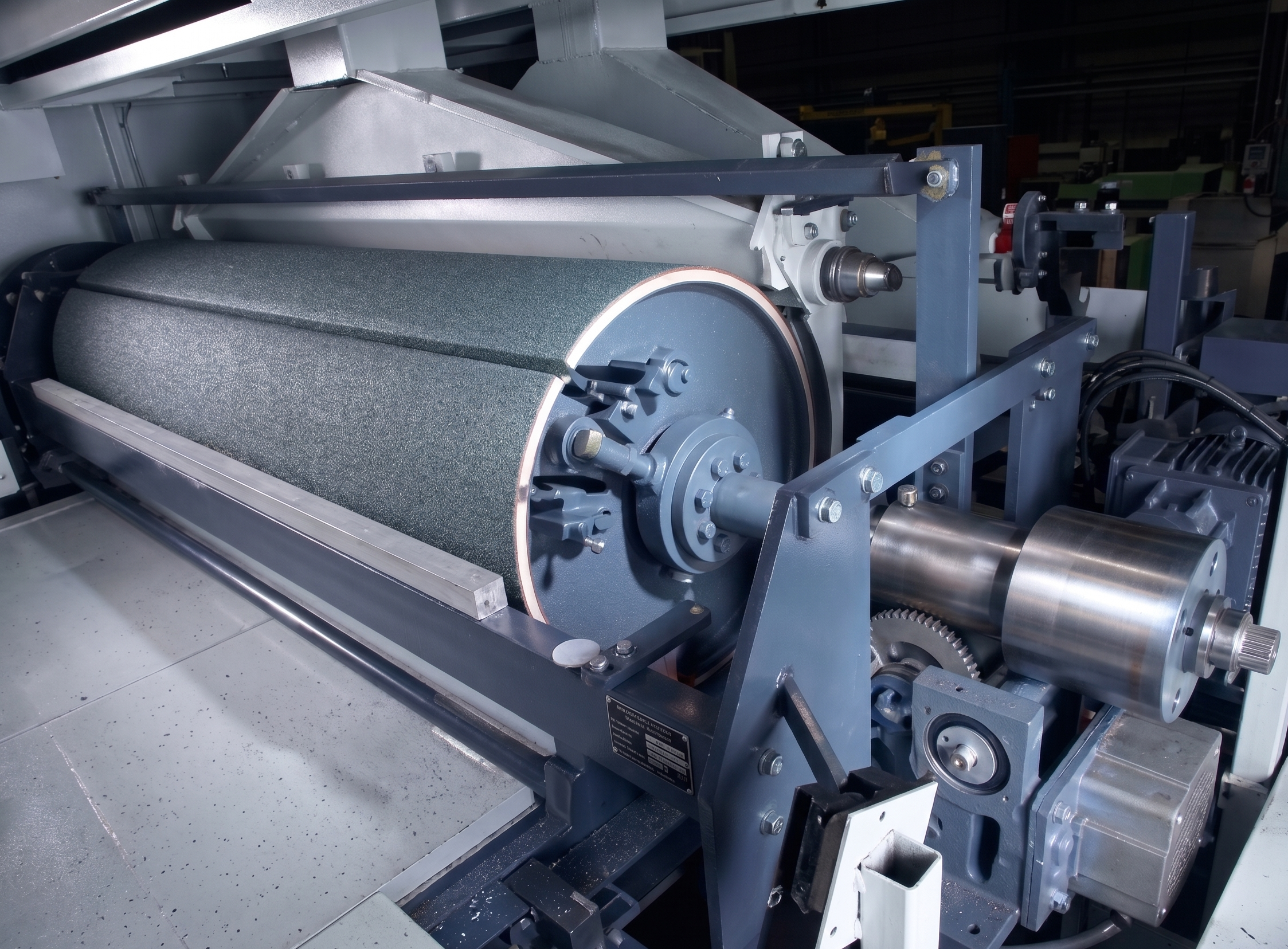
Grinding is one of the most common methods for removing slag from thermally cut parts. However, it requires a significant amount of abrasive material, and the equipment must be able to compensate for the dimensional variations and distortion that are common in heavy plate cutting. Some manufacturers use large, soft rubber-coated sanding rollers, while others rely on pressure beams to maintain consistent contact with the part surface.
Because slag can vary considerably in size and the grinding tools must process the entire surface of every part, abrasive wear is relatively high. As a result, these systems also consume a substantial amount of energy.
In practice, operators rarely remove slag manually by grinding. Instead, it is typically knocked off with a hammer or similar tool. Since slag is often only loosely attached to the part, this approach is usually much faster and more efficient.
Knocking Off Slag with Slag Pins
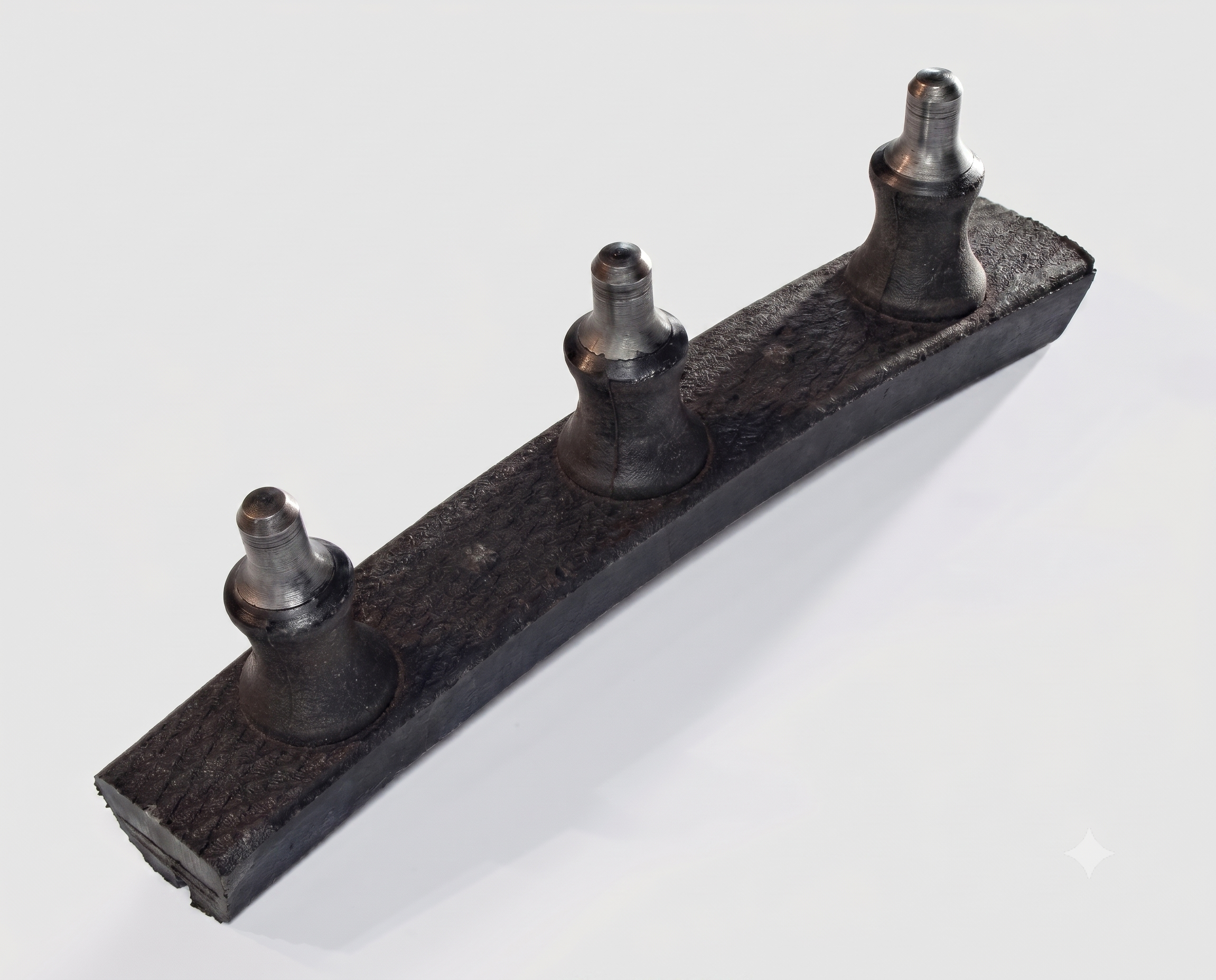
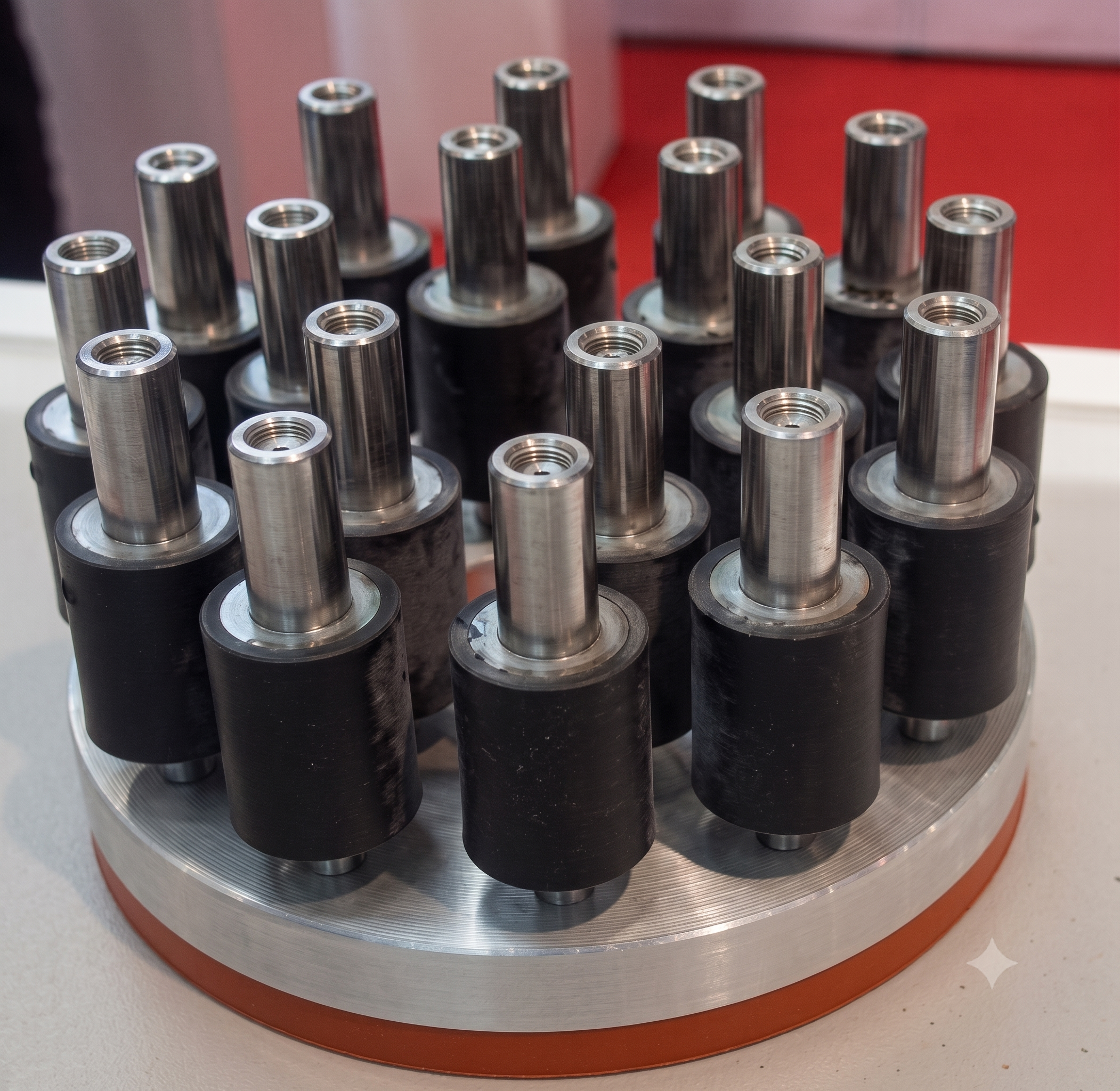
Instead of grinding, specialized machines use hardened steel pins embedded in a vulcanized carrier. The pins loosen slag through controlled impact, providing a fast and efficient alternative to abrasive processing. Depending on the part geometry, different carrier systems are available.
Slag Pins on Belts
Slag Pins on Disc Brushes
Slag Pins on Rollers
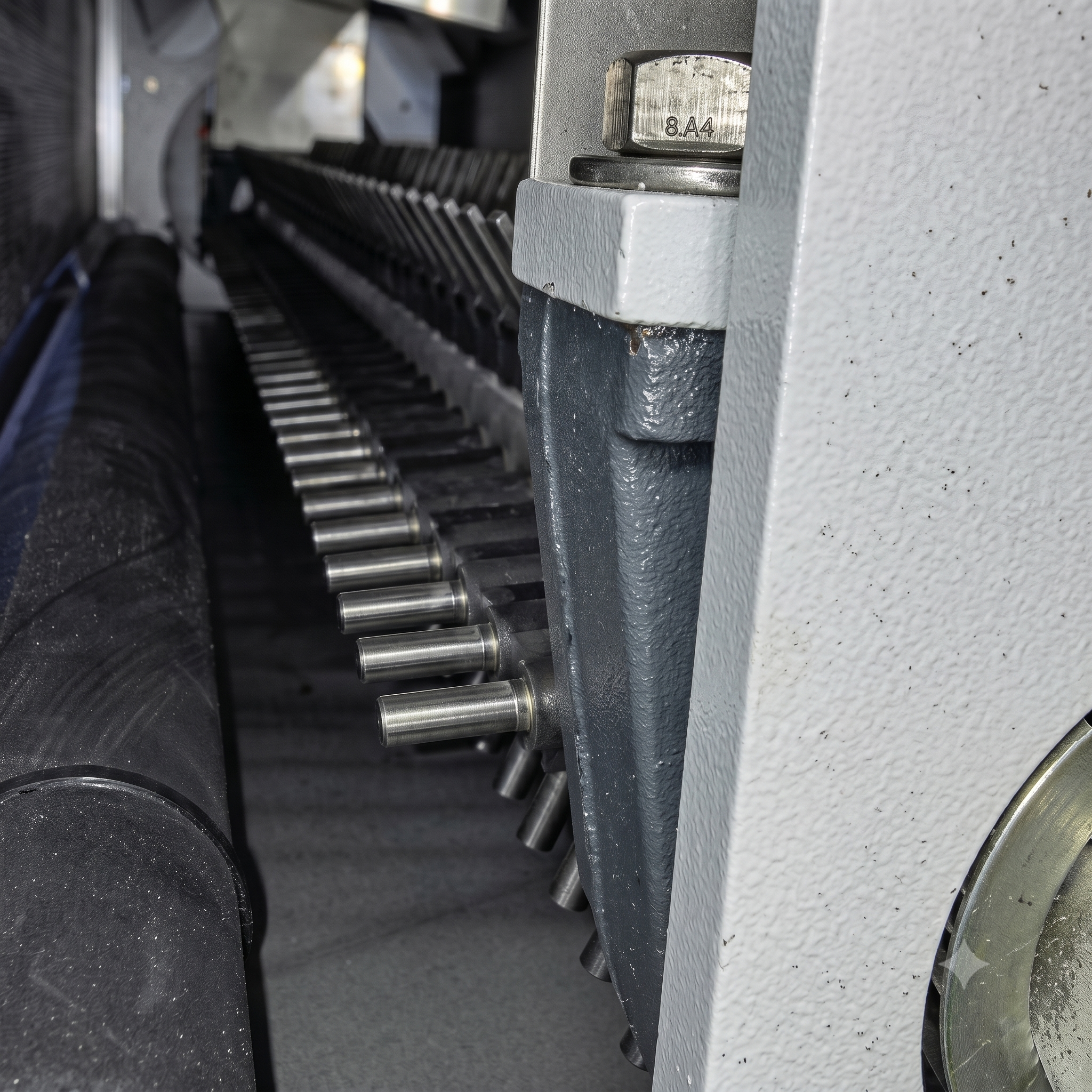
A key challenge is that thermally cut parts are often warped by several millimeters and can vary significantly in thickness. As a result, it is virtually impossible to set the pins to the correct working height. From the machine's perspective, the position of the part surface is constantly changing.
If the pins are set too high, slag remains on the part. If they are set too low, they strike the edge of the part instead, causing excessive wear and reducing tool life.
Ready to Automate Slag Removal?
Discover how Teqram's robotic solutions can improve productivity, reduce manual labor, and deliver consistent results.
Processing Parts Without Flipping
Many thermally cut parts are large, heavy, and difficult to handle. For maximum efficiency, manufacturers prefer to process these parts without flipping them before slag removal.
When parts travel through a conveyor system with the slag facing downward, the reference surface used to set the working depth of the slag removal brushes depends on the thickness of the slag. At the same time, the slag must be knocked off while allowing the cleaned part surface to continue riding directly on the conveyor rollers after processing.
As the slag is removed, the distance between the part and the processing unit changes during operation, making consistent processing more difficult. These challenges are inherent to continuous through-feed processing.
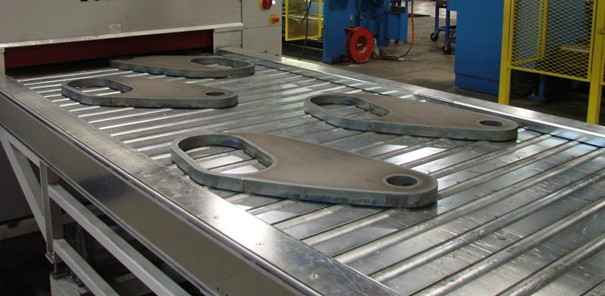
Slag Hammer
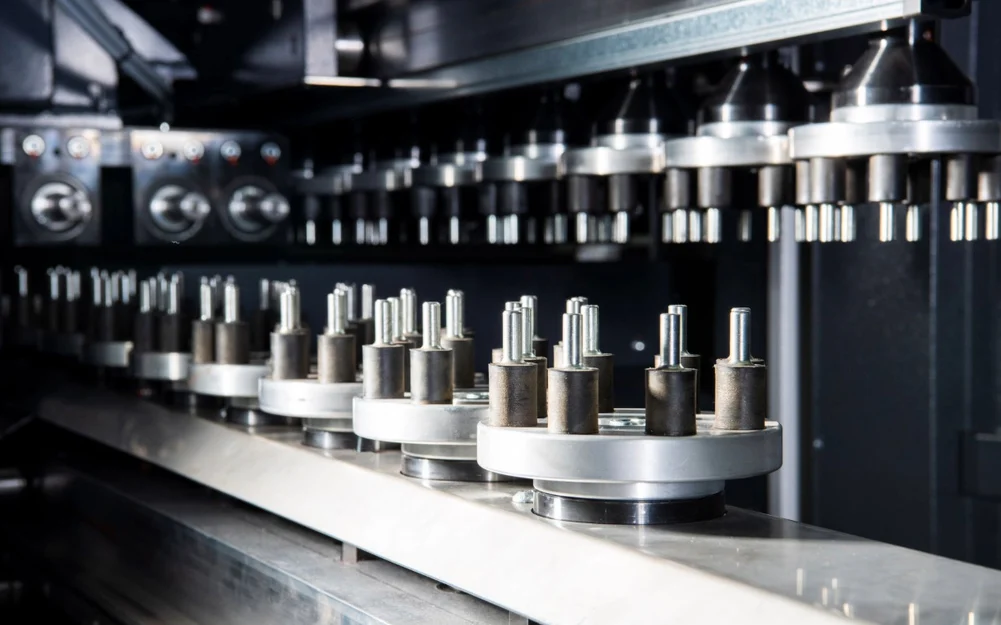
Image: © Lissmac Maschinenbau GmbH – lissmac.com
Abrasive Belt Module
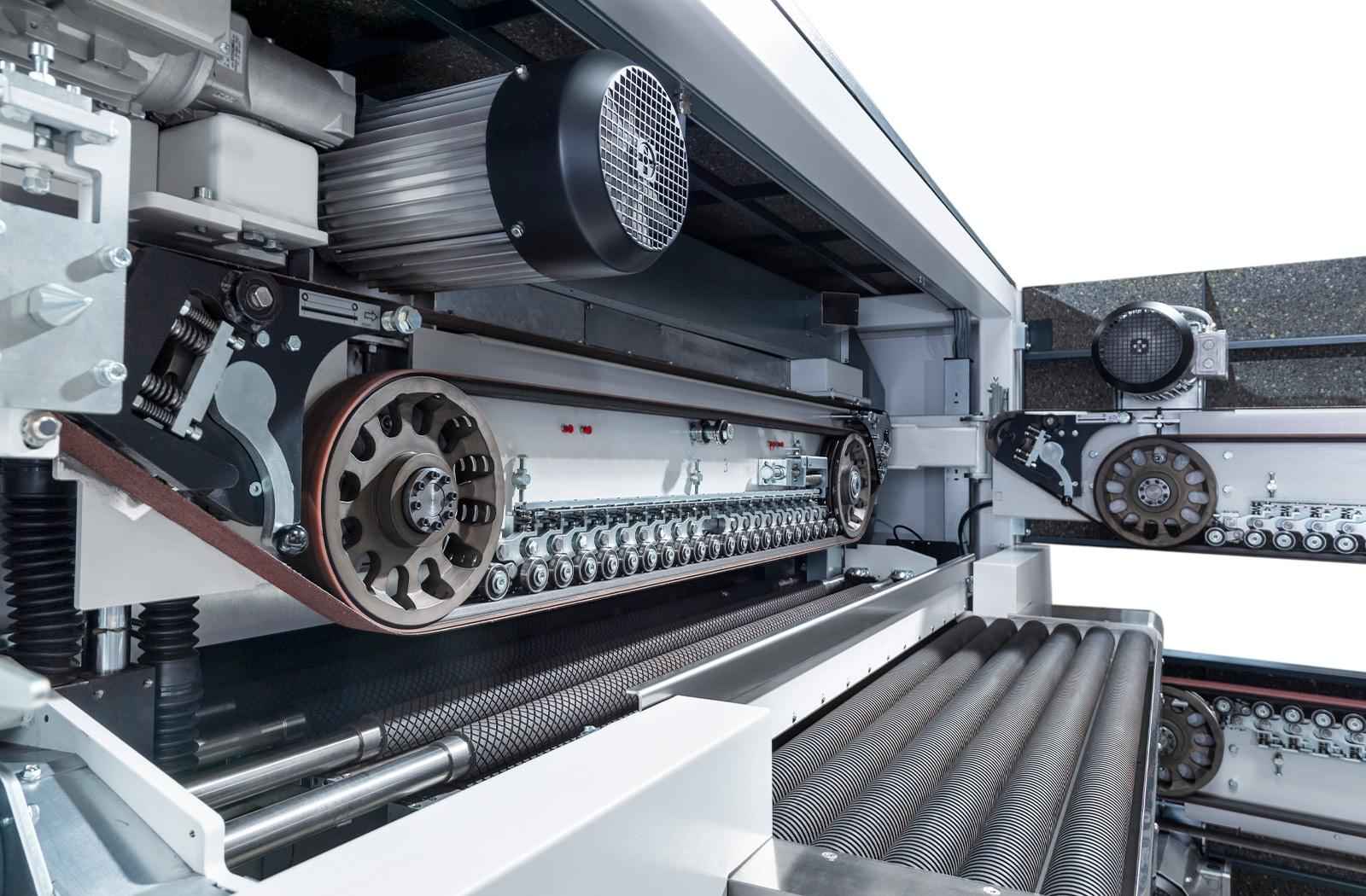
Image: © Lissmac Maschinenbau GmbH – lissmac.com
Rotary Brushes
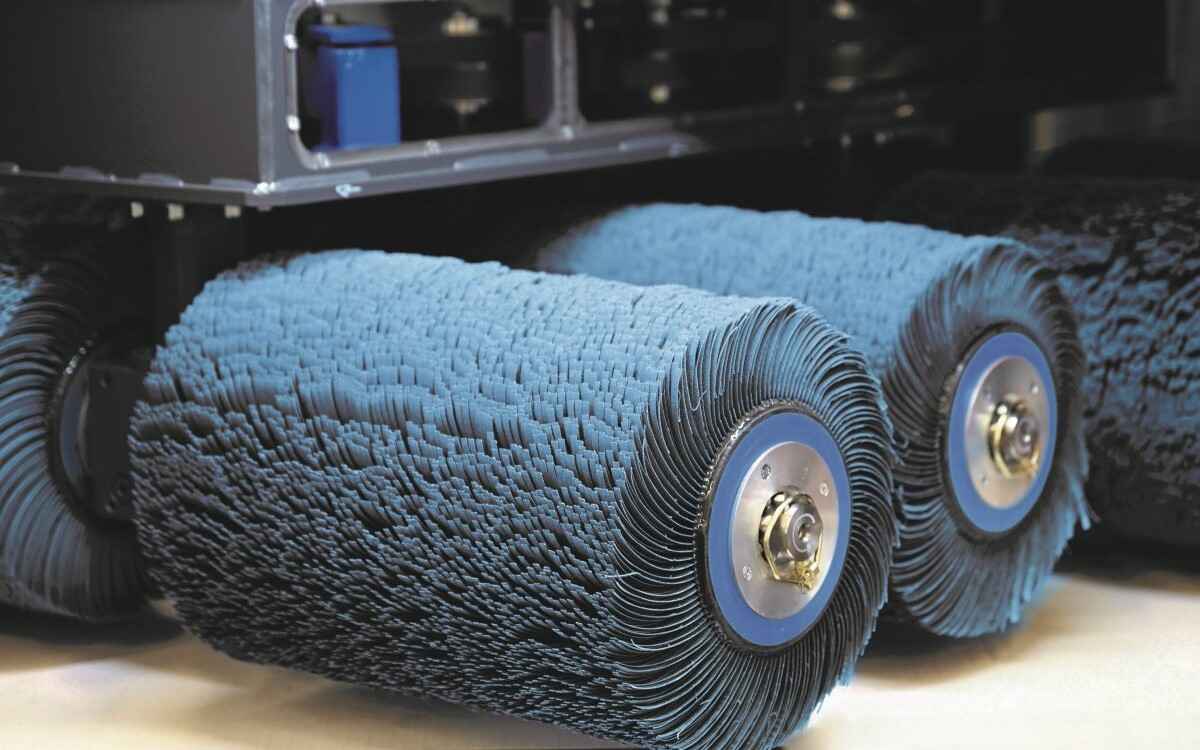
Image: © ARKU GmbH – arku.com
Contact Rollers and Dust Extraction Modules
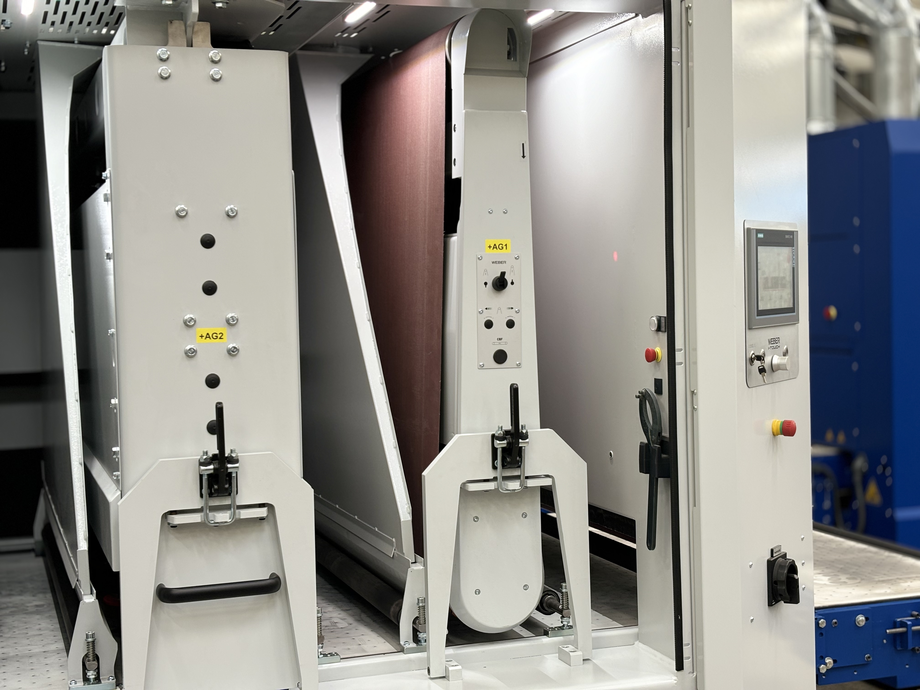
Image: © Hans Weber Maschinenfabrik GmbH – hansweber.de
AI-Powered Robotic Slag Removal with Intelligent Chisel Technology
Teqram takes a completely different approach to automated slag removal. Parts can remain stacked on pallets exactly as they come off the cutting table, with the slag facing downward. The pallets are then transferred directly to a robotic processing cell.
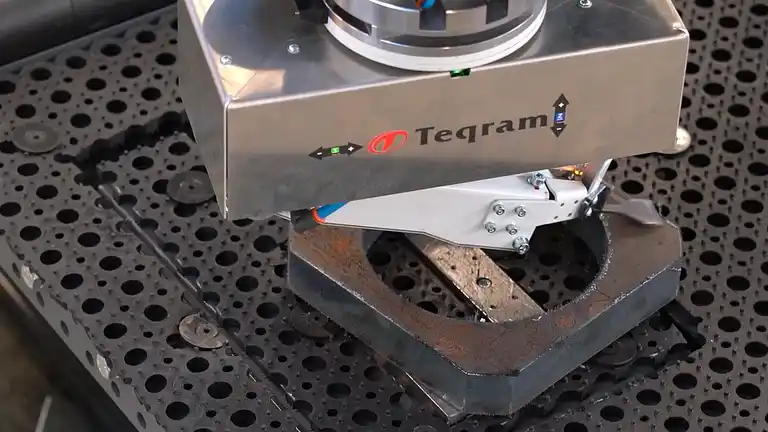
Using AI-powered vision technology, the robot identifies each part, picks it up, and automatically flips it using an integrated turning station. It then follows the complete contour of the part, both inside and outside, with an intelligent chisel to remove slag quickly, accurately, and consistently.
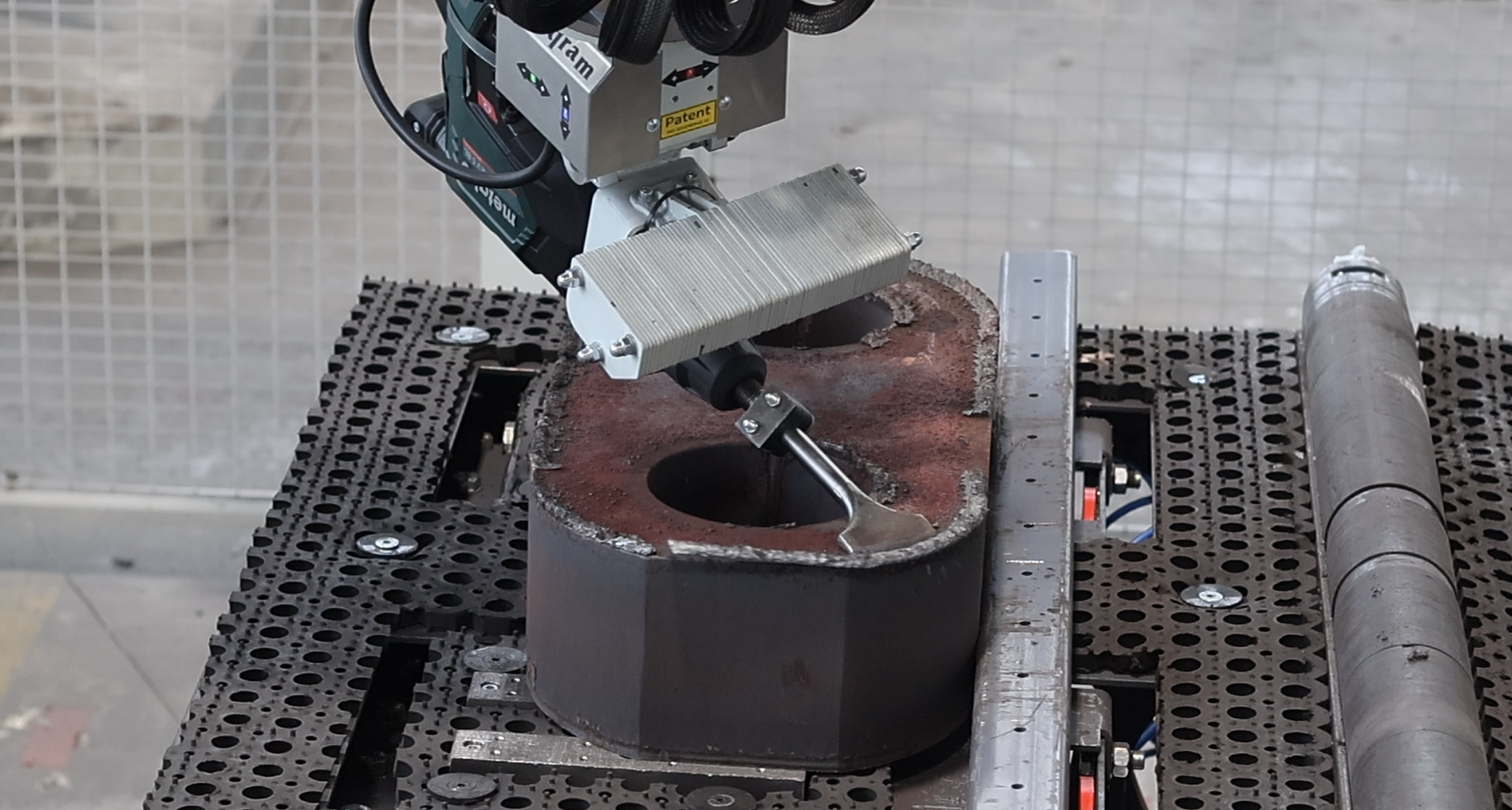
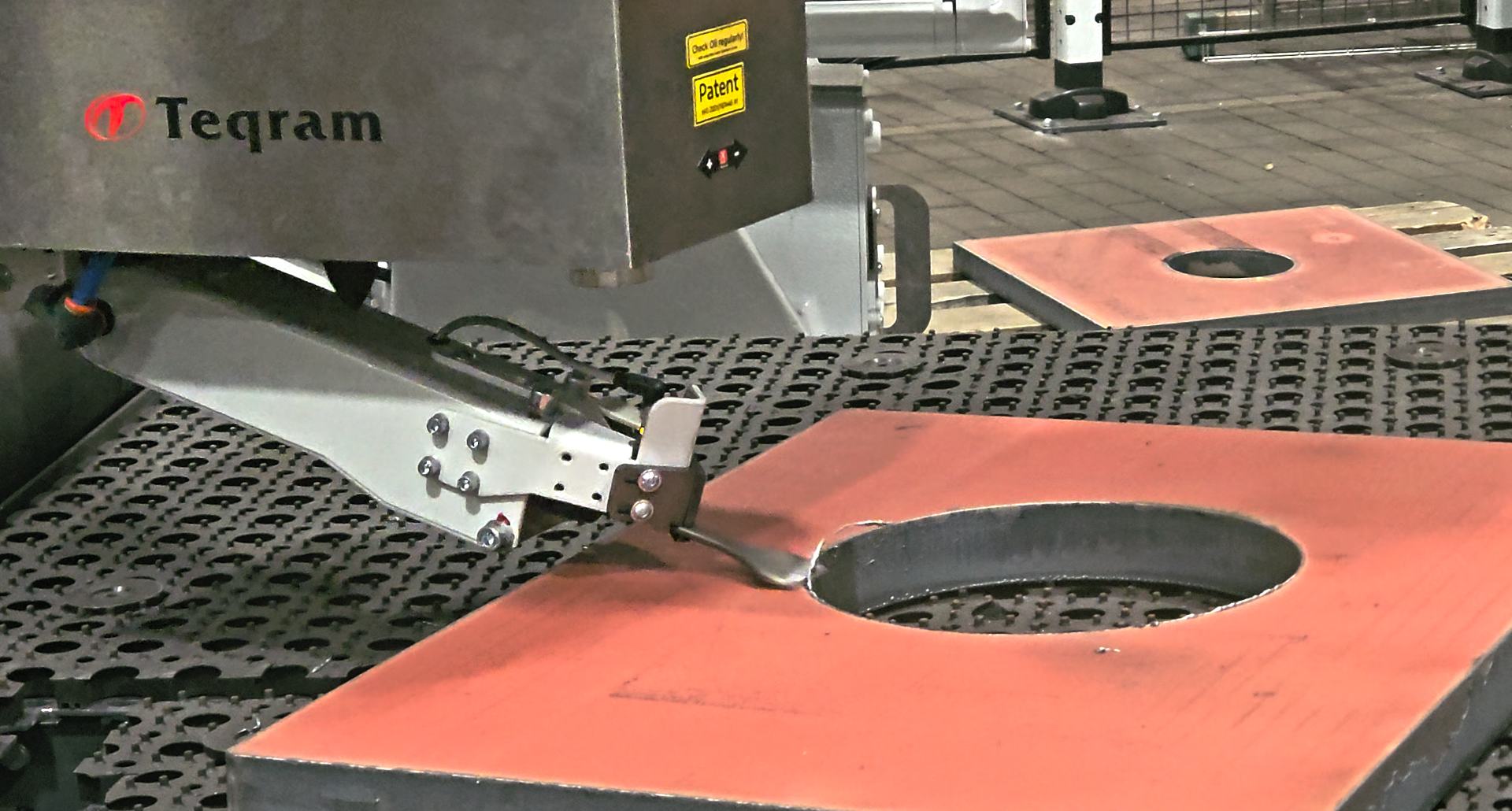
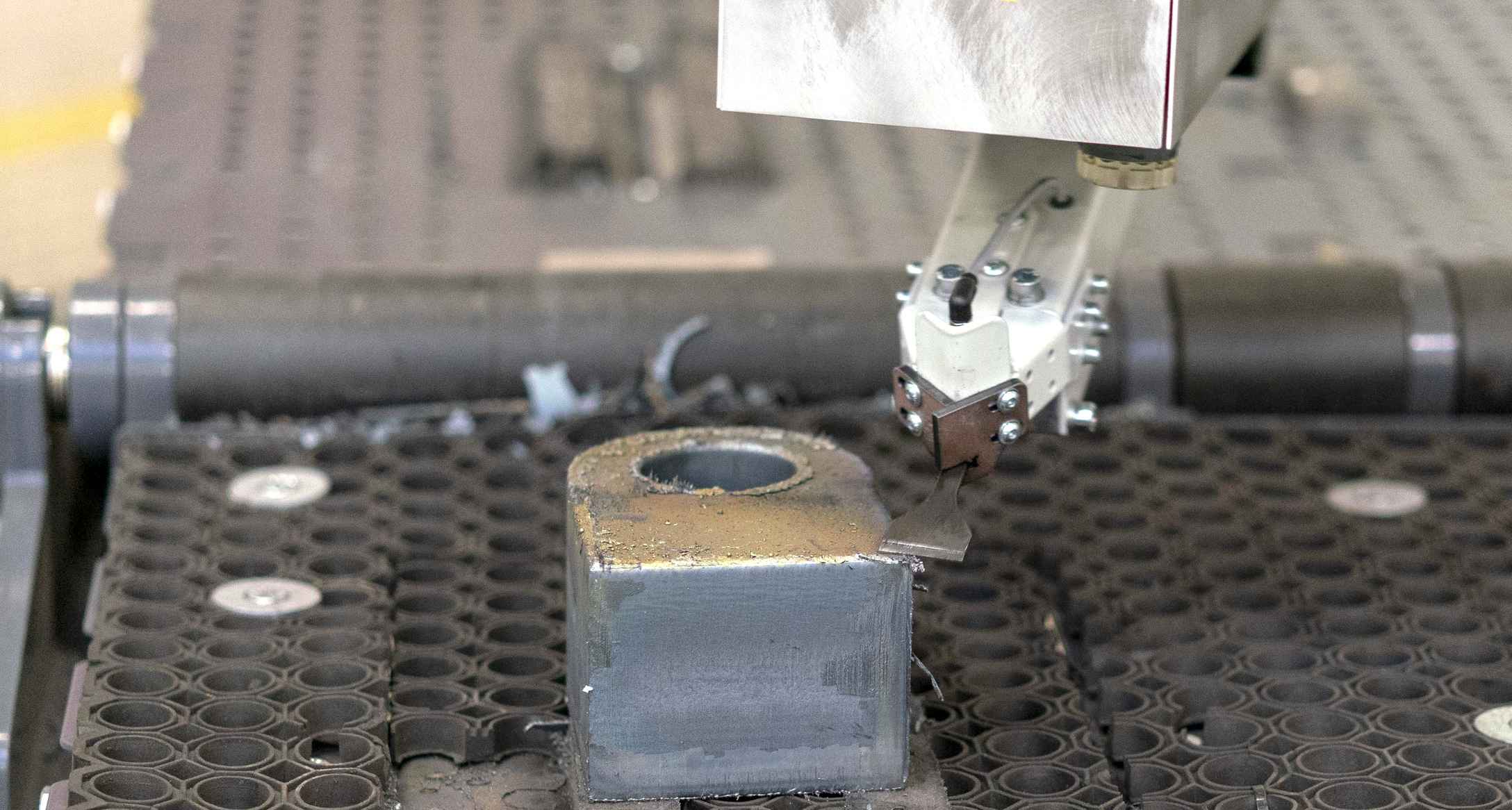
Intelligent Chisel Technology with Force Feedback
When no slag is present, the chisel follows the contour of the part at high speed. As soon as it encounters resistance from slag, it instantly adjusts its feed rate to ensure complete and reliable removal.
If the slag is firmly attached, the robot automatically changes its removal strategy and approaches the area from a different angle, much like an experienced operator would during manual slag removal.
| Image | Tool | Application | Typical Use |
|---|---|---|---|
|
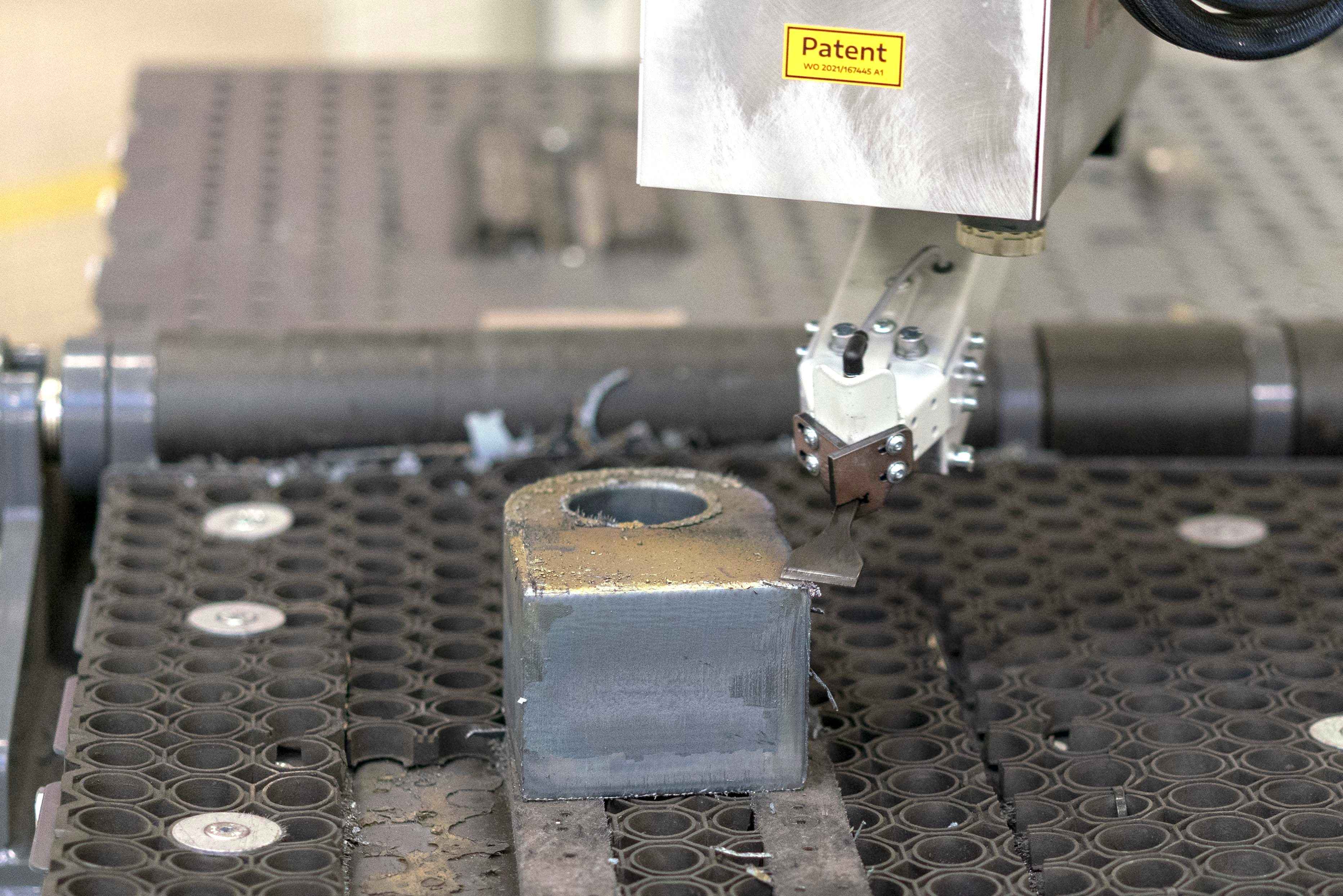
Pneumatic Chisel | Reliably removes approximately 95% of all common slag types with speed and precision. | Standard |
|
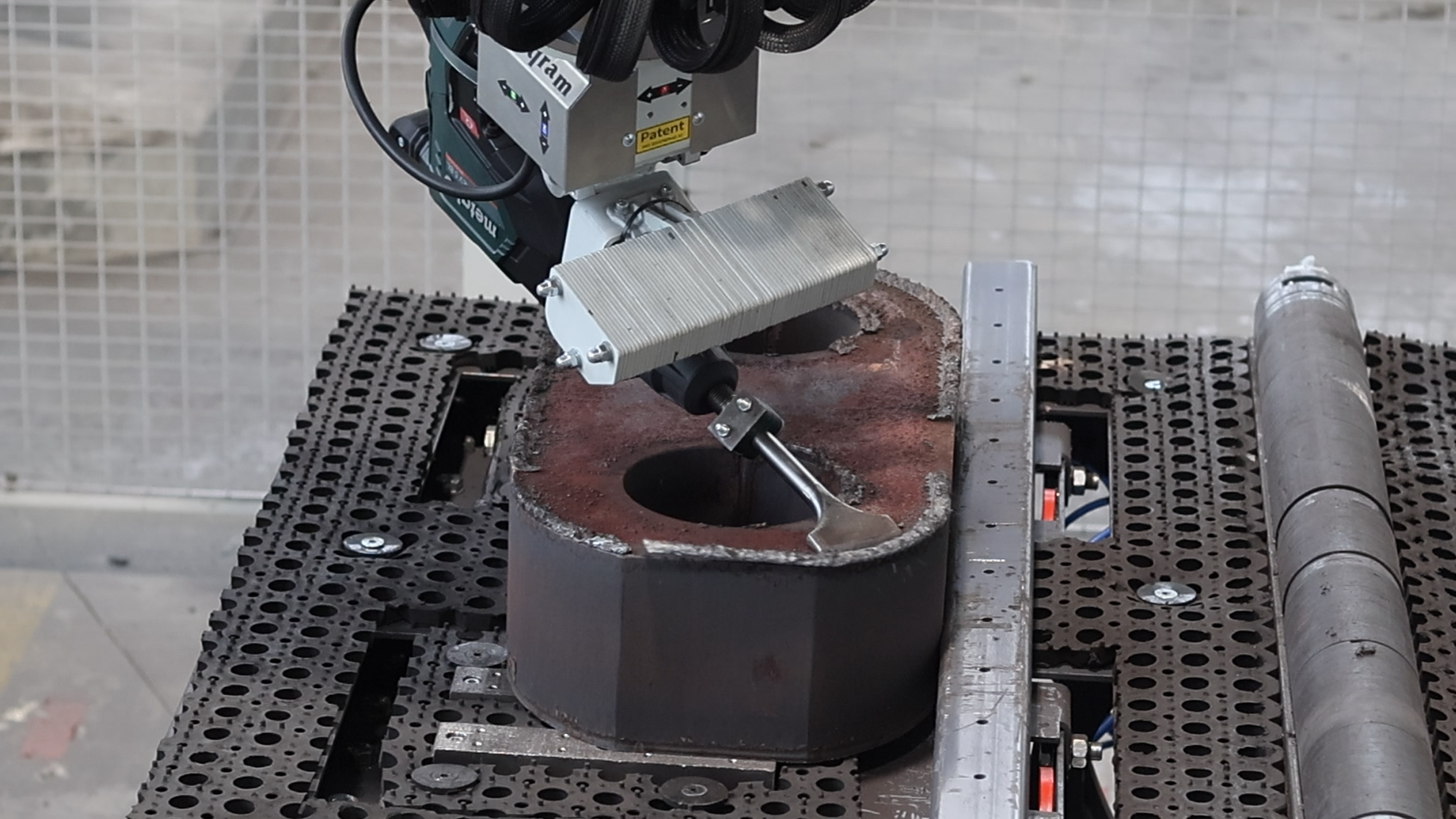
Heavy-Duty Chisel | Designed for extremely thick parts (over 8 in / 200 mm) or for removing slag after heat treatment. | Special Applications |
What You Can Achieve
- Reliable slag removal, even when slag is heavy or firmly attached
- Ideal for parts that cannot be processed in through-feed systems, including parts that are too short, too thick, or severely warped
- Processes only the areas that require slag removal, significantly reducing energy consumption and tool wear
- Fully automated operation with automatic loading and unloading
- No programming required. The system automatically identifies each part and determines the optimal removal strategy
Automate Your Slag Removal
